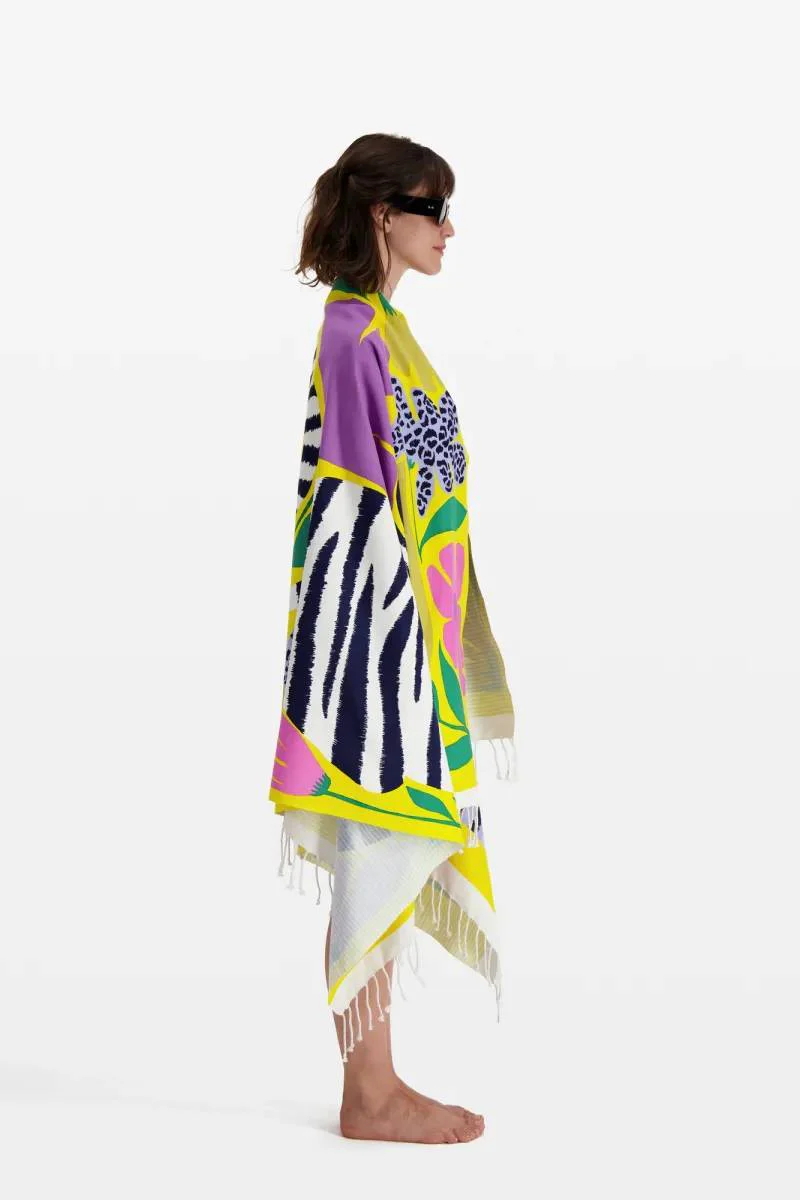
INOUI | Folk Yellow Cotton Fouta Scarf Yellow-Jaune
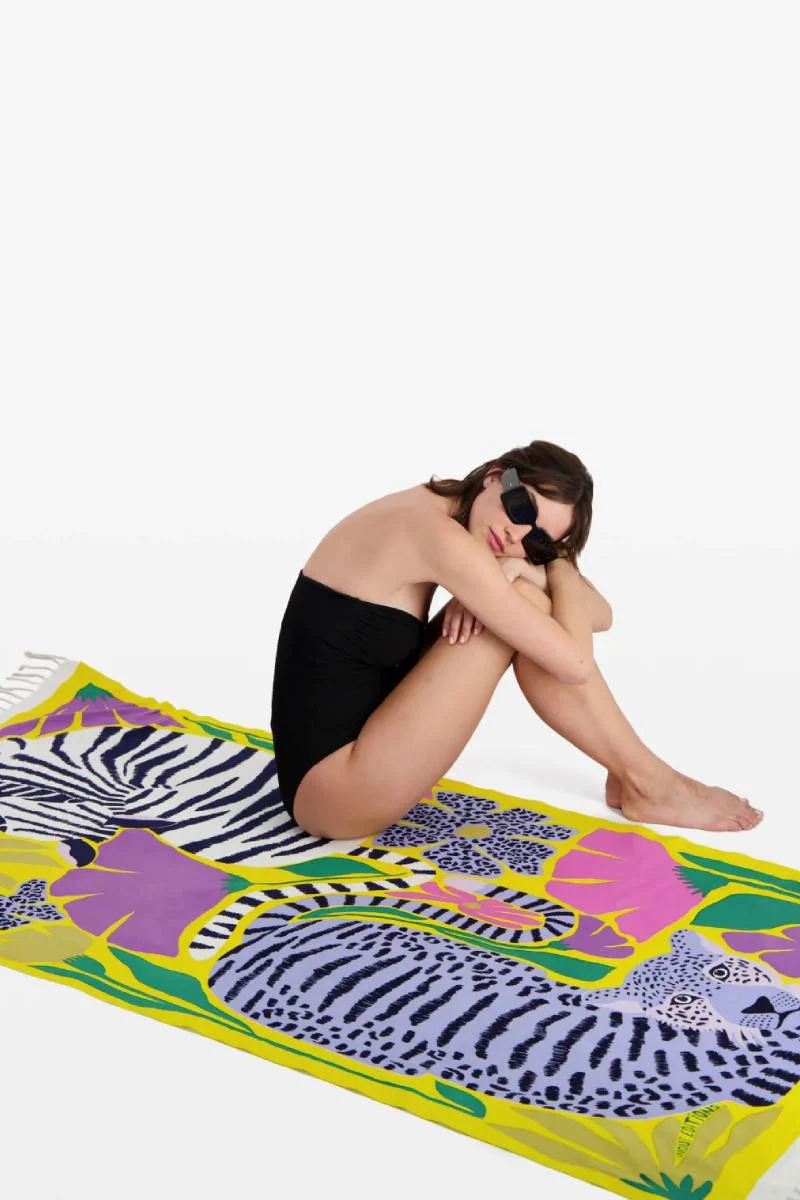
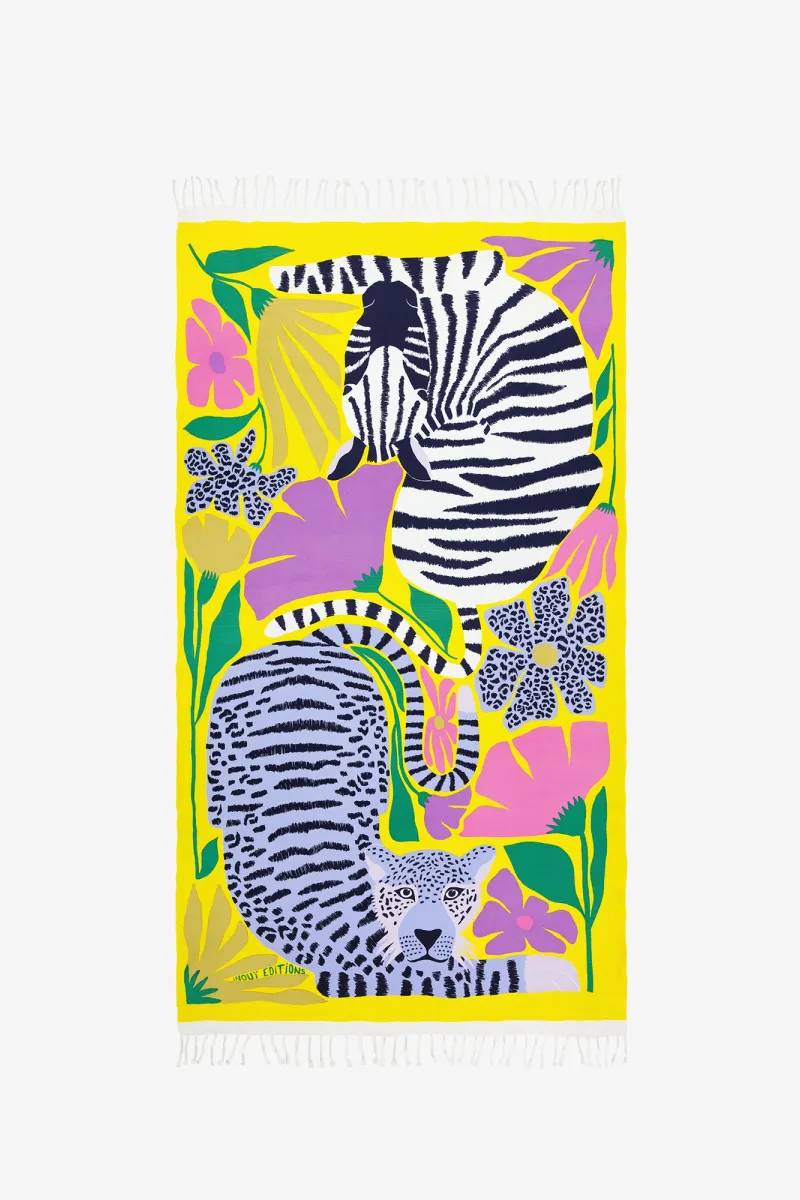
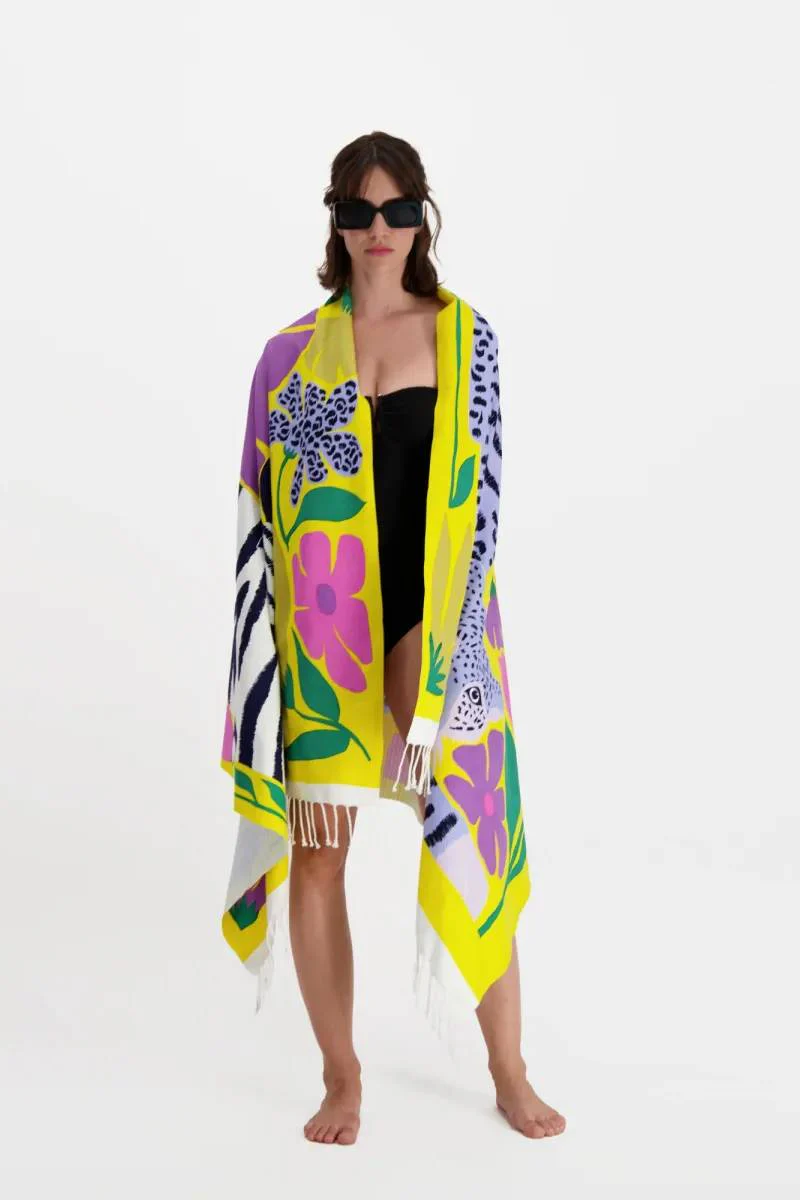
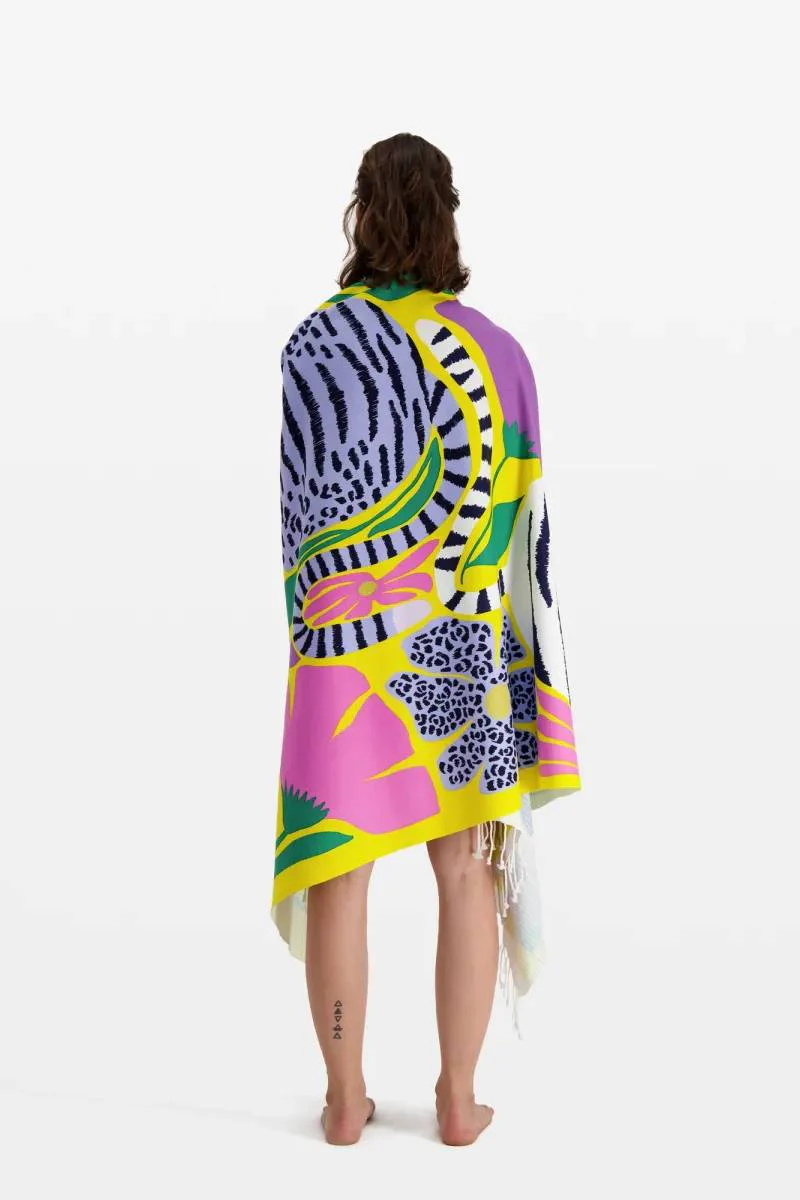
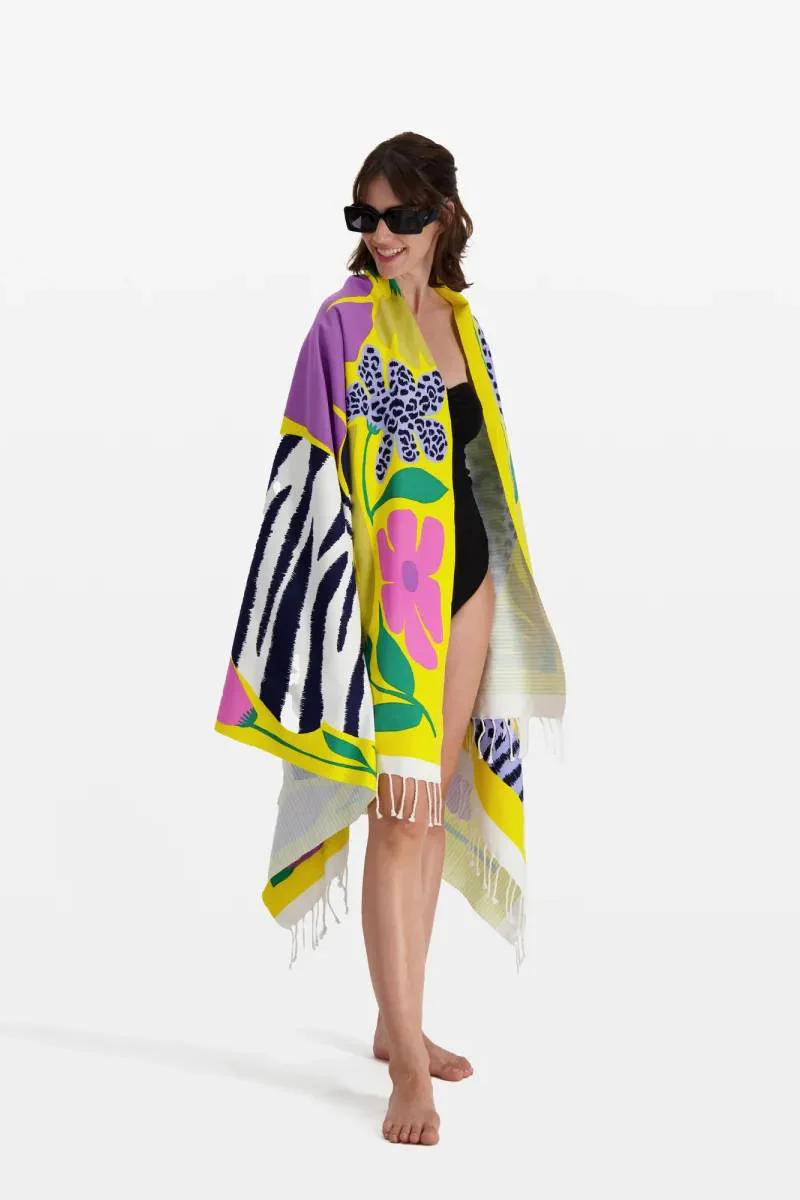
The INOUI fouta scarf arrives in a sun-drenched yellow, a slab of pure pigment that refuses to be subdued. It is not merely an accessory; it is a proposition for a more fluid, less rigid approach to dressing. This is the silhouette of a garment that exists in a state of perpetual potential, draped over a shoulder, knotted at the hip, or spread across a bare surface. It defines by absence, by the space it leaves open, by the line it draws in the air rather than the one it cuts against the body. The yellow is a specific, folkloric yellow—not a timid pastel or a screaming neon, but a deep, earthy stain that carries warmth and memory. The hand of this piece is its quiet authority. Woven from 100% cotton, the fabric is a sturdy, robust fouta weave, a textile born of the sun and the sea. It is not a delicate, whisper-thin silk; it is a cloth with substance, with a reassuring weight and a dry, almost matte texture that feels grounded against the skin. The weave is tight but breathable, promising a coolness that belies its solidity. Run your fingers across it and you feel the honest grain of the yarn, the integrity of the construction. There are no synthetic slicknesses here, only the honest, slightly irregular hand of a material that has been woven with purpose, its edges finished with the traditional fringed borders that speak to its artisan origins. In terms of fit and cut, this fouta is a study in generous proportions. At 100 x 190 cm, it is a generous rectangle, a blank canvas of cloth that refuses to be pinned down to a single function. The cut is intentionally simple, a pure shape that allows the fabric and its vibrant dye to take center stage. The construction is straightforward and robust, with clean, finished edges and those characteristic fringed ends. It is a piece that asks to be manipulated—folded, twisted, tied, and knotted—rather than simply worn. Its value lies not in a precise pattern but in the infinite ways it can be adapted to the body or the environment. It moves with a languid, substantial drape, falling in soft, generous folds that hold their shape without being stiff. When worn, it shifts with a slow, deliberate rustle, the cotton fiber catching the light in a way that reveals its deep, saturated color. This is a piece for the liminal spaces of summer—the cool of a morning on the terrace, the heat of an afternoon at the shore, the golden hour of a sunset aperitif. Style it as a pareo over a simple black maillot, the yellow a shock of color against sun-warmed skin. Drape it over the shoulders of a linen shirt as a light wrap against the evening breeze. Or let it serve its original purpose: a towel after a swim, a throw for a picnic, a tablecloth for a meal eaten outdoors. This is not an accessory for a single occasion; it is a companion for a season of living well.
Product Information
Product Information
Shipping & Returns
Shipping & Returns
Description
The INOUI fouta scarf arrives in a sun-drenched yellow, a slab of pure pigment that refuses to be subdued. It is not merely an accessory; it is a proposition for a more fluid, less rigid approach to dressing. This is the silhouette of a garment that exists in a state of perpetual potential, draped over a shoulder, knotted at the hip, or spread across a bare surface. It defines by absence, by the space it leaves open, by the line it draws in the air rather than the one it cuts against the body. The yellow is a specific, folkloric yellow—not a timid pastel or a screaming neon, but a deep, earthy stain that carries warmth and memory. The hand of this piece is its quiet authority. Woven from 100% cotton, the fabric is a sturdy, robust fouta weave, a textile born of the sun and the sea. It is not a delicate, whisper-thin silk; it is a cloth with substance, with a reassuring weight and a dry, almost matte texture that feels grounded against the skin. The weave is tight but breathable, promising a coolness that belies its solidity. Run your fingers across it and you feel the honest grain of the yarn, the integrity of the construction. There are no synthetic slicknesses here, only the honest, slightly irregular hand of a material that has been woven with purpose, its edges finished with the traditional fringed borders that speak to its artisan origins. In terms of fit and cut, this fouta is a study in generous proportions. At 100 x 190 cm, it is a generous rectangle, a blank canvas of cloth that refuses to be pinned down to a single function. The cut is intentionally simple, a pure shape that allows the fabric and its vibrant dye to take center stage. The construction is straightforward and robust, with clean, finished edges and those characteristic fringed ends. It is a piece that asks to be manipulated—folded, twisted, tied, and knotted—rather than simply worn. Its value lies not in a precise pattern but in the infinite ways it can be adapted to the body or the environment. It moves with a languid, substantial drape, falling in soft, generous folds that hold their shape without being stiff. When worn, it shifts with a slow, deliberate rustle, the cotton fiber catching the light in a way that reveals its deep, saturated color. This is a piece for the liminal spaces of summer—the cool of a morning on the terrace, the heat of an afternoon at the shore, the golden hour of a sunset aperitif. Style it as a pareo over a simple black maillot, the yellow a shock of color against sun-warmed skin. Drape it over the shoulders of a linen shirt as a light wrap against the evening breeze. Or let it serve its original purpose: a towel after a swim, a throw for a picnic, a tablecloth for a meal eaten outdoors. This is not an accessory for a single occasion; it is a companion for a season of living well.