Autry | Medalist Low x Mihara Yasuhiro - White Leather Sneaker White-Black
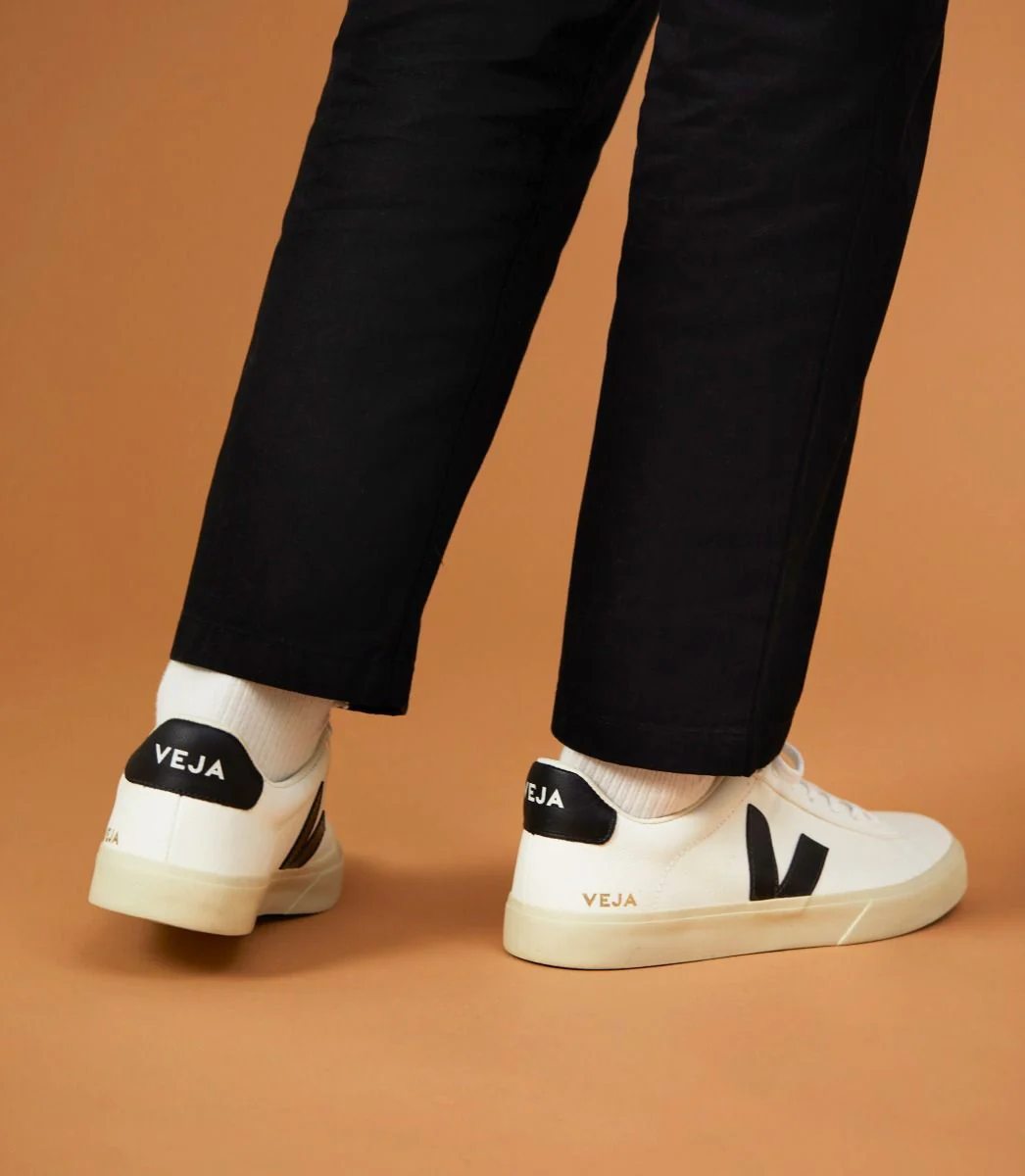
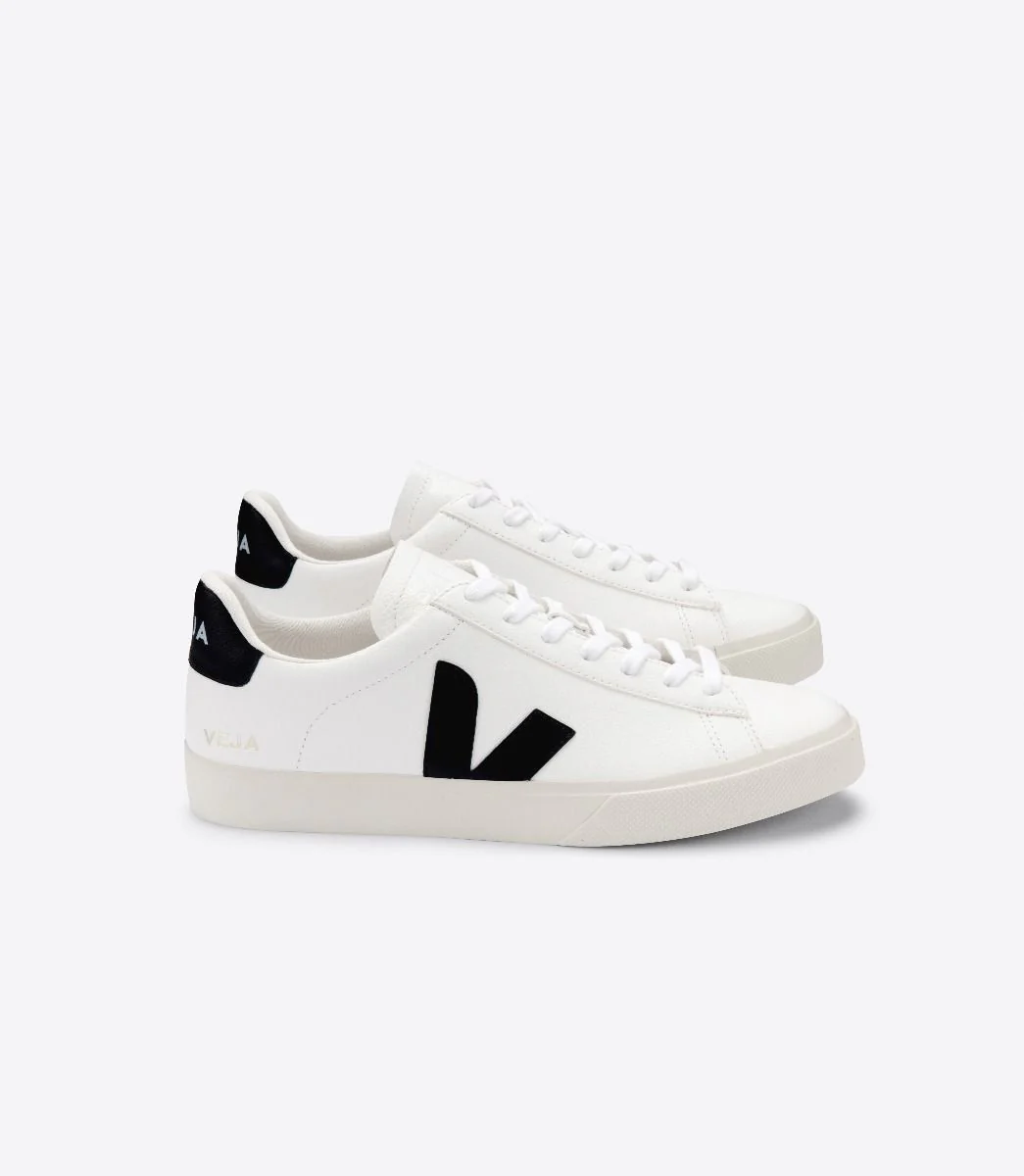
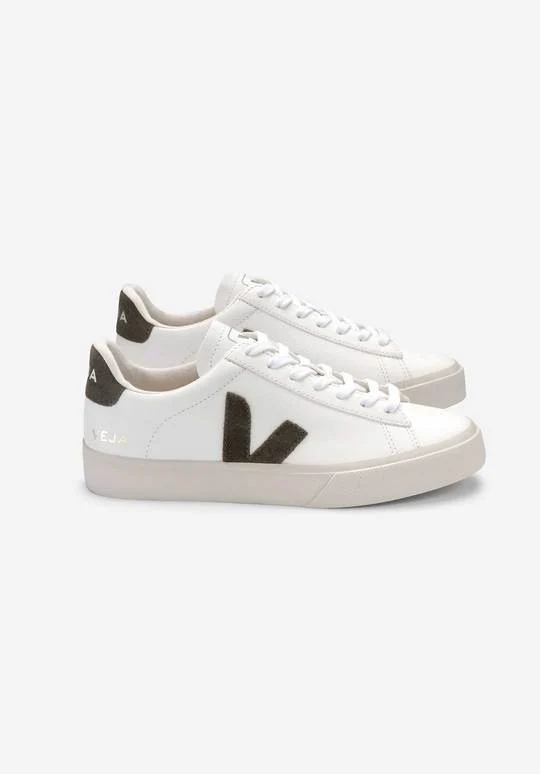
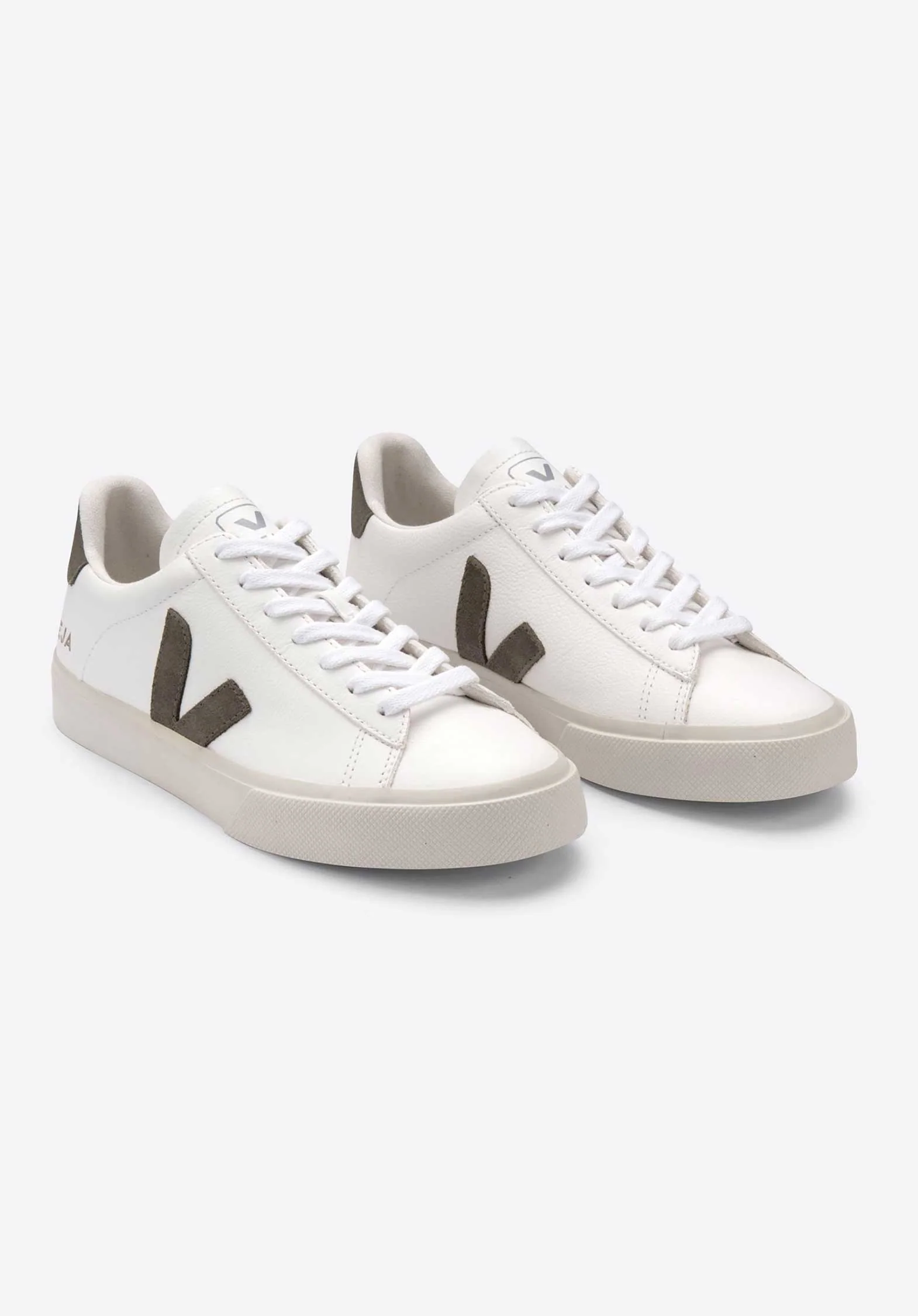
The Autry Medalist Low, reimagined through the lens of Maison Mihara Yasuhiro, emerges as a study in deliberate tension—a sneaker that marries the clean, nostalgic lines of a 1980s court shoe with the sculptor’s instinct for weight and texture. At first glance, the silhouette is familiar: a low-profile upper in pristine white leather, perforated with micro-holes at the toe for breathability and visual rhythm. But the eye is drawn downward, to the sole. This is where the collaboration announces itself. The midsole and outsole are not mere afterthoughts; they are constructed through four distinct artisanal processes, resulting in a layered, almost geological profile that feels both hand-wrought and meticulously engineered. The leather upper itself is supple yet structured, with a matte finish that resists the slickness of patent or the softness of nubuck—a material that will crease and soften with wear, developing a personal patina over time. The padded collar and terry-and-leather lining cradle the foot in a way that feels substantial, not plush, offering a secure, grounded step. Fit is precise and true to the original Medalist last, with a slightly generous toe box that allows for natural splay without sacrificing a locked-in heel. The flat cotton laces, embroidered tongue label, and 2 cm leather insole (which adds a subtle lift) all speak to a construction that prioritizes longevity over trend. The sole height graduates from 2.5 cm at the forefoot to 3.5 cm at the heel, creating a gentle, almost imperceptible rocker that encourages an easy, rolling stride. This is a shoe built for movement—not for sprinting, but for the unhurried rhythm of city blocks, gallery floors, and late-night café terraces. The hand-finishing is evident in the slight irregularities of the sole’s texture; each pair carries the trace of the artisan’s hand, a detail that elevates it from mass-market athletic wear to something closer to footwear as object. In motion, the sneaker is quiet. The leather and terry lining wick moisture, the nylon reinforcement at the heel adds subtle stability, and the overall weight is moderate—neither featherlight nor clunky. It pairs best with a wardrobe that understands proportion: wide-leg trousers that graze the sole’s edge, a straight-leg jean that breaks cleanly over the tongue, or a simple cotton dress whose hem falls just above the ankle. The palette is stark—white leather, black accents, a hint of tonal gray in the sole—making it a natural anchor for monochrome looks or a counterpoint to saturated color. For spring and summer, wear them with a linen suit and no socks; for autumn, with heavyweight denim and a cashmere crewneck. The accompanying fabric clutch, a deliberate accessory, suggests the capsule’s intention: this is a sneaker that belongs in a rotation with leather goods, not gym bags. Style them as a deliberate finish—the one element that signals you understand the difference between a sneaker and a statement.
Original: $30.10
-65%$30.10
$10.54Product Information
Product Information
Shipping & Returns
Shipping & Returns
Description
The Autry Medalist Low, reimagined through the lens of Maison Mihara Yasuhiro, emerges as a study in deliberate tension—a sneaker that marries the clean, nostalgic lines of a 1980s court shoe with the sculptor’s instinct for weight and texture. At first glance, the silhouette is familiar: a low-profile upper in pristine white leather, perforated with micro-holes at the toe for breathability and visual rhythm. But the eye is drawn downward, to the sole. This is where the collaboration announces itself. The midsole and outsole are not mere afterthoughts; they are constructed through four distinct artisanal processes, resulting in a layered, almost geological profile that feels both hand-wrought and meticulously engineered. The leather upper itself is supple yet structured, with a matte finish that resists the slickness of patent or the softness of nubuck—a material that will crease and soften with wear, developing a personal patina over time. The padded collar and terry-and-leather lining cradle the foot in a way that feels substantial, not plush, offering a secure, grounded step. Fit is precise and true to the original Medalist last, with a slightly generous toe box that allows for natural splay without sacrificing a locked-in heel. The flat cotton laces, embroidered tongue label, and 2 cm leather insole (which adds a subtle lift) all speak to a construction that prioritizes longevity over trend. The sole height graduates from 2.5 cm at the forefoot to 3.5 cm at the heel, creating a gentle, almost imperceptible rocker that encourages an easy, rolling stride. This is a shoe built for movement—not for sprinting, but for the unhurried rhythm of city blocks, gallery floors, and late-night café terraces. The hand-finishing is evident in the slight irregularities of the sole’s texture; each pair carries the trace of the artisan’s hand, a detail that elevates it from mass-market athletic wear to something closer to footwear as object. In motion, the sneaker is quiet. The leather and terry lining wick moisture, the nylon reinforcement at the heel adds subtle stability, and the overall weight is moderate—neither featherlight nor clunky. It pairs best with a wardrobe that understands proportion: wide-leg trousers that graze the sole’s edge, a straight-leg jean that breaks cleanly over the tongue, or a simple cotton dress whose hem falls just above the ankle. The palette is stark—white leather, black accents, a hint of tonal gray in the sole—making it a natural anchor for monochrome looks or a counterpoint to saturated color. For spring and summer, wear them with a linen suit and no socks; for autumn, with heavyweight denim and a cashmere crewneck. The accompanying fabric clutch, a deliberate accessory, suggests the capsule’s intention: this is a sneaker that belongs in a rotation with leather goods, not gym bags. Style them as a deliberate finish—the one element that signals you understand the difference between a sneaker and a statement.